about kildonan
South-east Arran, where the island feels spacious and unhurried. A brilliant base for beaches, shoreline walks, woodland trails— and a calmer pace than the busier bits of the island.
Our New Addition
The Café & Shop
The Café & Shop
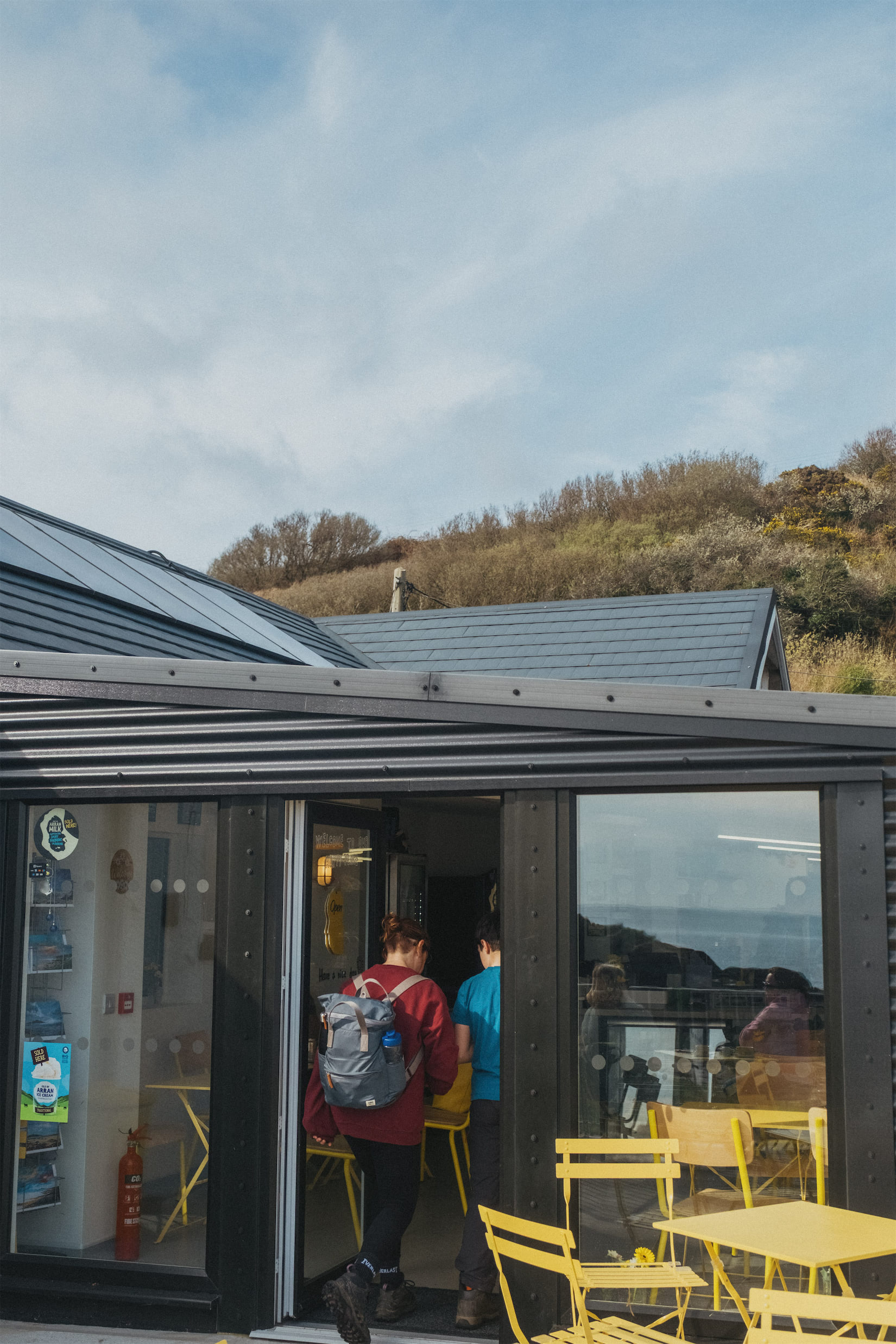
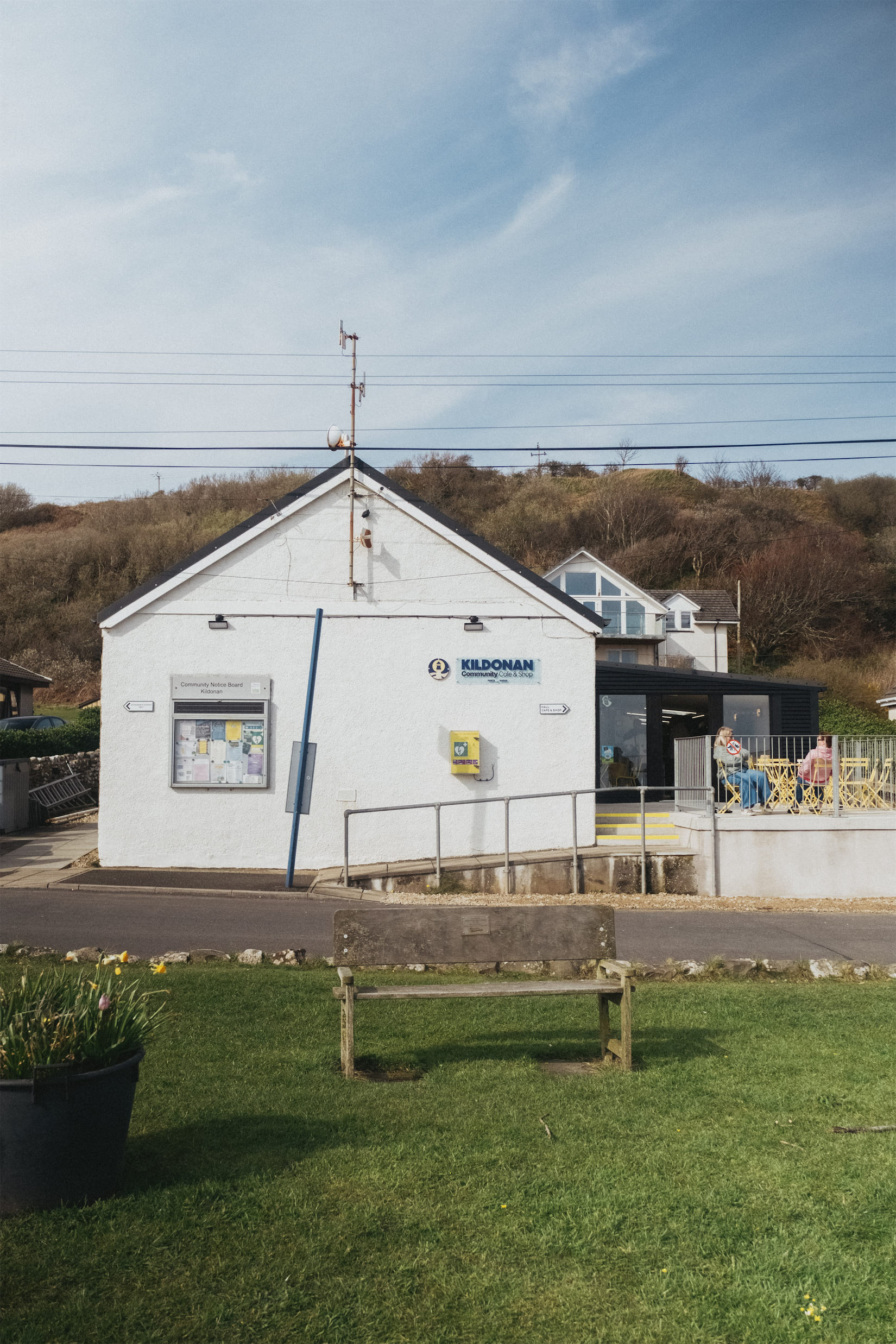
A friendly place to pause, warm up, and feel at home. Expect: Tea and coffee, home bakes, soup and sandwiches, Essentials in the shop, plus local treats where possible. The menu may vary day to day as we get established.
A friendly place to pause, warm up, and feel at home. Expect: Tea and coffee, home bakes, soup and sandwiches, Essentials in the shop, plus local treats where possible. The menu may vary day to day as we get established.
The Hall
Kildonan Village Hall
Kildonan Village Hall
Kildonan Hall started as a reading room for women in 1915, while their men were at war. It's evolved since—shaped by what the community needs. That tradition continues. A practical, welcoming space for gatherings, celebrations, classes, talks, and local projects.
Kildonan Hall started as a reading room for women in 1915, while their men were at war. It's evolved since—shaped by what the community needs. That tradition continues. A practical, welcoming space for gatherings, celebrations, classes, talks, and local projects.
Our Secret Spots
A Small Village, with lots to Discover
Geopark
Kildonan’s Basalt Dykes
Why the black rock “walls” are so special
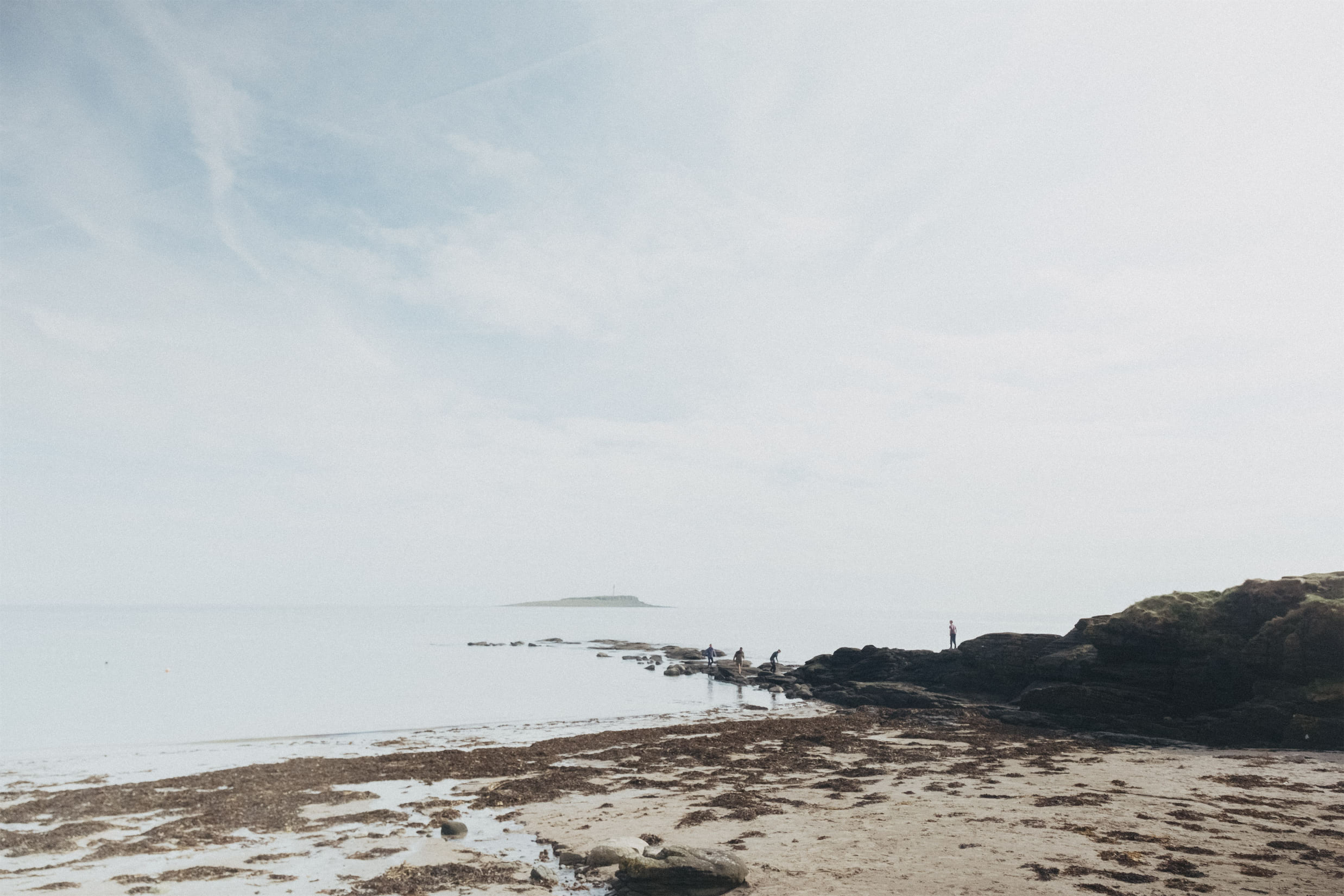
Kildonan’s shoreline is one of the best places in the world to see a dyke swarm — a striking pattern of dark basalt “walls” running across the shore and out into the sea. These are called basalt dykes, and they formed when molten rock (magma) was forced up into cracks in the Earth’s crust and then cooled and solidified.
The Kildonan dykes were formed around 60 million years ago, during the time when Europe and North America were beginning to pull apart. As the crust stretched, lots of cracks opened up, and magma pushed into them. Each dyke marks one of those old fractures.
What makes Kildonan so interesting is that you can see this geology clearly on the shore. At low tide, the dykes stand out as dark ridges crossing the lighter rocks. It’s dramatic, easy to spot, and a brilliant example of Arran’s world-class geology — one reason the island is now a UNESCO Global Geopark.
What to look for
Dark basalt bands crossing the shore
“Wall-like” ridges extending into the sea
Small crystals in the basalt
Tiny holes (gas bubbles) preserved in the rock
Tip: the shore is best explored around low tide, with sturdy footwear.
Geopark
Kildonan’s Basalt Dykes
Why the black rock “walls” are so special
Kildonan’s shoreline is one of the best places in the world to see a dyke swarm — a striking pattern of dark basalt “walls” running across the shore and out into the sea. These are called basalt dykes, and they formed when molten rock (magma) was forced up into cracks in the Earth’s crust and then cooled and solidified.
The Kildonan dykes were formed around 60 million years ago, during the time when Europe and North America were beginning to pull apart. As the crust stretched, lots of cracks opened up, and magma pushed into them. Each dyke marks one of those old fractures.
What makes Kildonan so interesting is that you can see this geology clearly on the shore. At low tide, the dykes stand out as dark ridges crossing the lighter rocks. It’s dramatic, easy to spot, and a brilliant example of Arran’s world-class geology — one reason the island is now a UNESCO Global Geopark.
What to look for
Dark basalt bands crossing the shore
“Wall-like” ridges extending into the sea
Small crystals in the basalt
Tiny holes (gas bubbles) preserved in the rock
Tip: the shore is best explored around low tide, with sturdy footwear.
Arran’s Whisky History
Kildonan, Smuggling & the South End
A coast made for stories (and secrecy)
South Arran has a strong connection with the island’s illicit whisky past. Long before modern distilling returned to the south end, local people were making and moving whisky in hidden stills and small boats, often under the noses of the excisemen. The south end’s burns, glens, caves and sheltered shorelines made it ideal for keeping things out of sight.
Historical accounts of Arran’s whisky smuggling place much of this activity in the south end, with casks moved by cart to quiet shore points and then loaded into small boats (often at night) for the crossing to the mainland. It was dangerous work, but for many families it was also an important source of income.
Kildonan sits right in the landscape of Arran’s smuggling stories. Local place names, coves and landing points preserve that history, including Port a’ Ghille Glais, which local historians identify as a manmade landing place probably used in the whisky smuggling era.
Today, the south end’s whisky history is part hardship, part ingenuity, and part island legend — and it adds a whole extra layer to any walk along the coast.

Arran’s Whisky History
Kildonan, Smuggling & the South End
A coast made for stories (and secrecy)
South Arran has a strong connection with the island’s illicit whisky past. Long before modern distilling returned to the south end, local people were making and moving whisky in hidden stills and small boats, often under the noses of the excisemen. The south end’s burns, glens, caves and sheltered shorelines made it ideal for keeping things out of sight.
Historical accounts of Arran’s whisky smuggling place much of this activity in the south end, with casks moved by cart to quiet shore points and then loaded into small boats (often at night) for the crossing to the mainland. It was dangerous work, but for many families it was also an important source of income.
Kildonan sits right in the landscape of Arran’s smuggling stories. Local place names, coves and landing points preserve that history, including Port a’ Ghille Glais, which local historians identify as a manmade landing place probably used in the whisky smuggling era.
Today, the south end’s whisky history is part hardship, part ingenuity, and part island legend — and it adds a whole extra layer to any walk along the coast.
Forest Walks
Eas Mòr, Forest Paths & the Waterfall
Woodland walks with a bit of magic
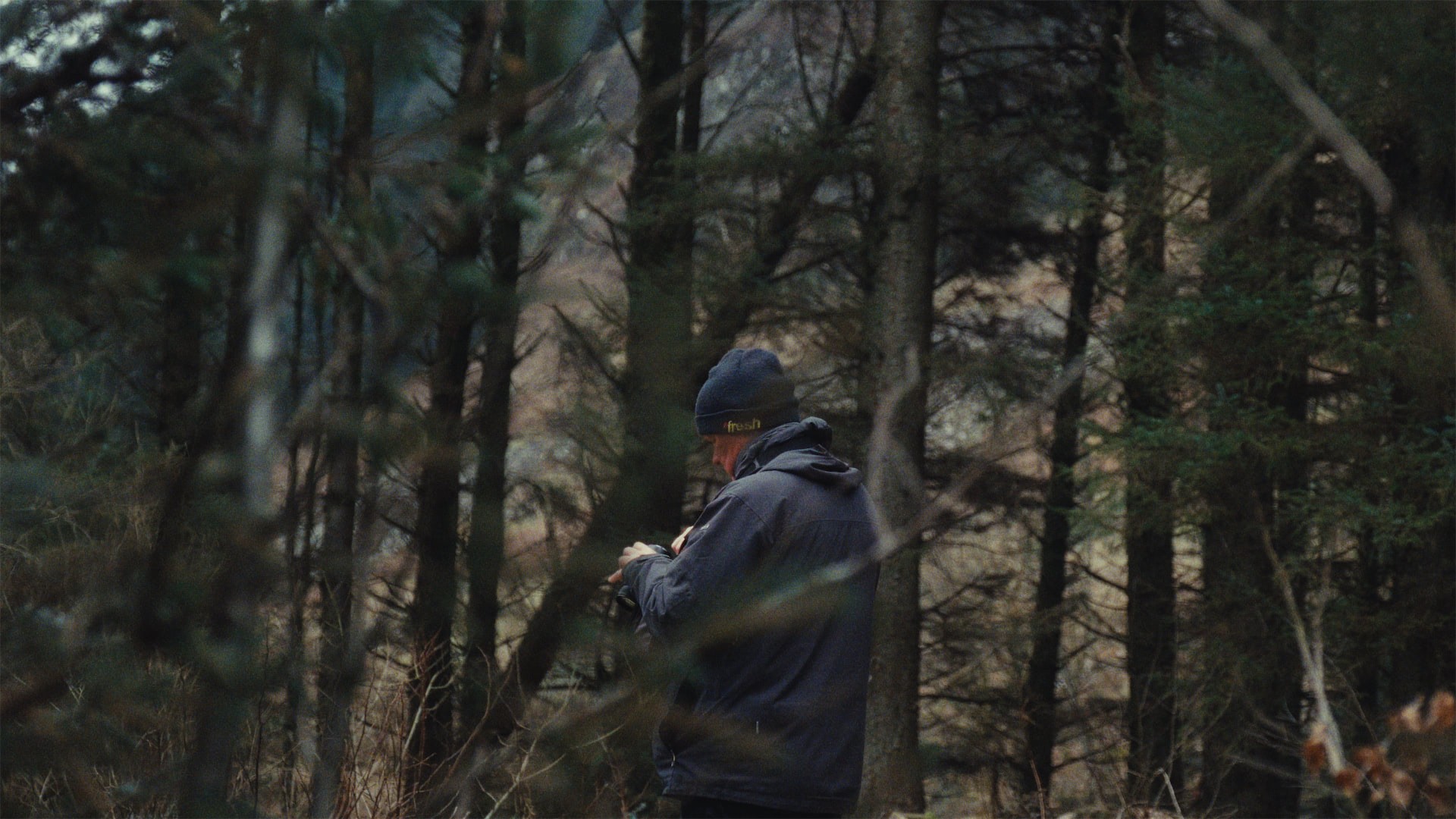
Just north of Kildonan, the Eas Mòr area offers one of the south end’s most enjoyable walks: woodland paths, dramatic gorge views, and a beautiful waterfall. It’s a great outing for visitors who want a shorter walk with real character.
The paths wind through mixed woodland and lead to viewpoints over the falls, with options to extend the walk further up to Loch Garbad depending on time and energy. The route is well loved for its atmosphere — especially after rain, when the water is running strongly and the whole glen feels alive.
A favourite feature for many visitors is the “Library in the Woods” — a small, creative woodland stop that adds a playful, human touch to the walk and has become part of the Eas Mòr experience.
What to expect
Forest paths and short climbs
Waterfall viewpoints
A peaceful woodland atmosphere
Optional longer walking routes depending on conditions
Please wear suitable footwear, especially in wet weather, as paths can be muddy or slippery.
Forest Walks
Eas Mòr, Forest Paths & the Waterfall
Woodland walks with a bit of magic
Just north of Kildonan, the Eas Mòr area offers one of the south end’s most enjoyable walks: woodland paths, dramatic gorge views, and a beautiful waterfall. It’s a great outing for visitors who want a shorter walk with real character.
The paths wind through mixed woodland and lead to viewpoints over the falls, with options to extend the walk further up to Loch Garbad depending on time and energy. The route is well loved for its atmosphere — especially after rain, when the water is running strongly and the whole glen feels alive.
A favourite feature for many visitors is the “Library in the Woods” — a small, creative woodland stop that adds a playful, human touch to the walk and has become part of the Eas Mòr experience.
What to expect
Forest paths and short climbs
Waterfall viewpoints
A peaceful woodland atmosphere
Optional longer walking routes depending on conditions
Please wear suitable footwear, especially in wet weather, as paths can be muddy or slippery.
Wildlife
Seals, Otters, Seabirds & Big Sea Views
A wonderful place to watch wildlife — quietly
Kildonan is one of the best-loved spots on Arran for shoreline wildlife. The coast towards Bennan Head is especially well known for seals, often seen hauled out on the rocks or bobbing offshore. Local guidance and visitor reports consistently highlight this as a seal-watching area.
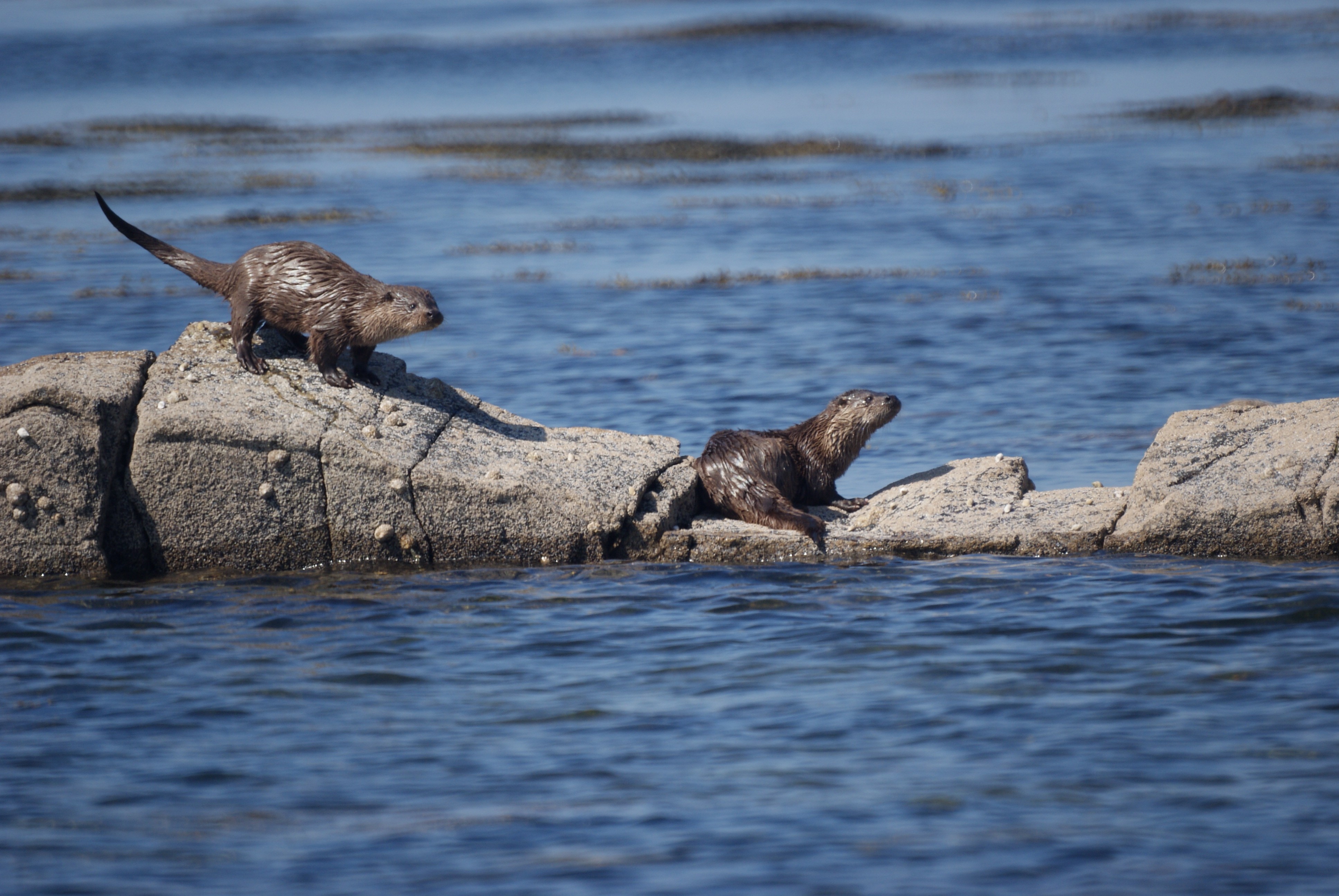
If you’re very lucky — and patient — you may also spot an otter, especially around dawn or dusk when the shore is quieter. Otter sightings are never guaranteed, but this stretch of coast is one of the places people watch for them.
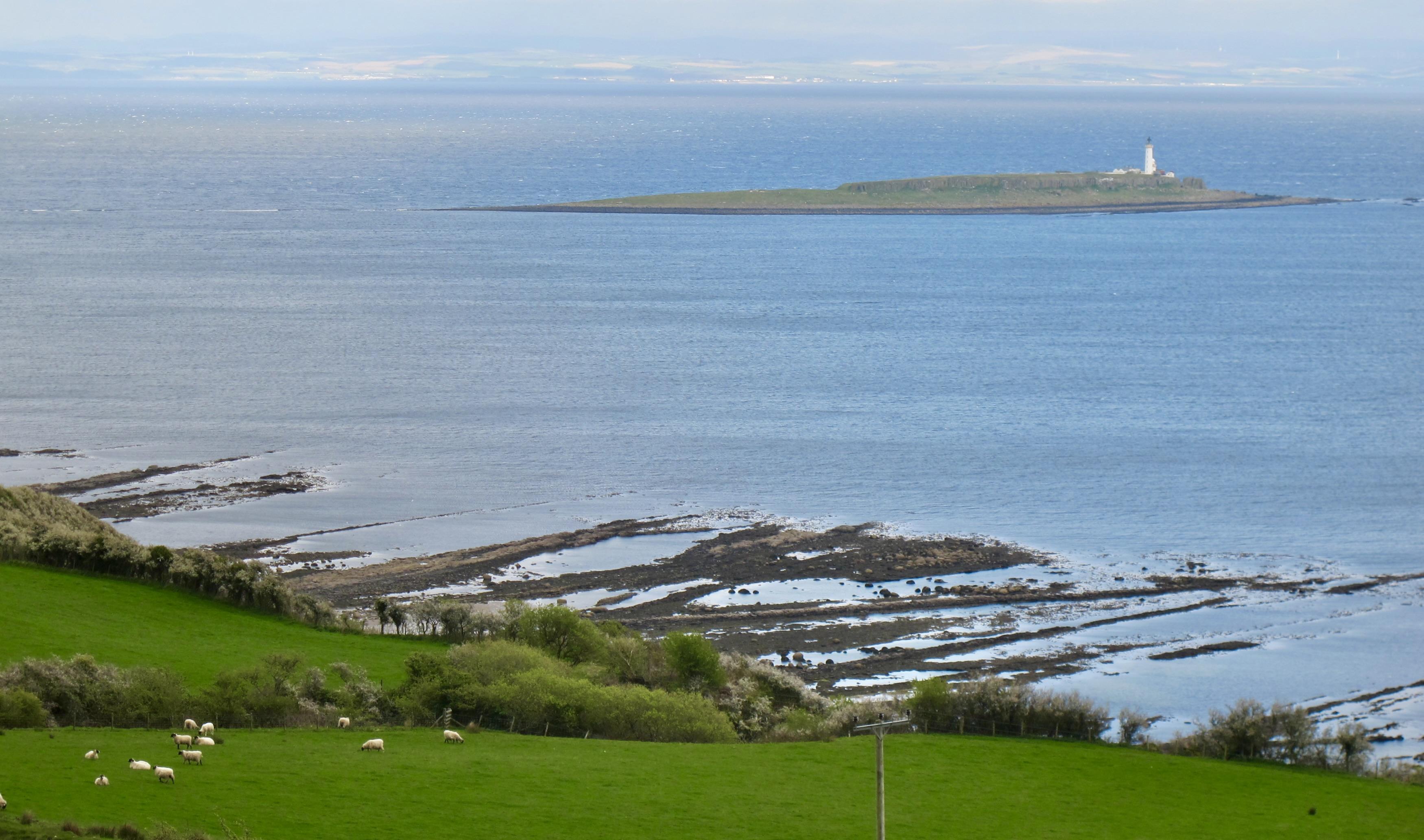
The area is also rich in seabird life, with regular coastal species around the shore and excellent views out to Pladda and Ailsa Craig. On clear days, Ailsa Craig is a real focal point — and it supports an internationally important seabird colony, including a major northern gannet colony.
Wildlife watching tips
Bring binoculars if you have them
Keep a respectful distance from seals
If seals start slipping into the water, you’re too close
Early morning and evening are often best for quiet watching
Please help us protect wildlife by watching quietly and giving animals plenty of space.
Wildlife
Seals, Otters, Seabirds & Big Sea Views
A wonderful place to watch wildlife — quietly
Kildonan is one of the best-loved spots on Arran for shoreline wildlife. The coast towards Bennan Head is especially well known for seals, often seen hauled out on the rocks or bobbing offshore. Local guidance and visitor reports consistently highlight this as a seal-watching area.
If you’re very lucky — and patient — you may also spot an otter, especially around dawn or dusk when the shore is quieter. Otter sightings are never guaranteed, but this stretch of coast is one of the places people watch for them.
The area is also rich in seabird life, with regular coastal species around the shore and excellent views out to Pladda and Ailsa Craig. On clear days, Ailsa Craig is a real focal point — and it supports an internationally important seabird colony, including a major northern gannet colony.
Wildlife watching tips
Bring binoculars if you have them
Keep a respectful distance from seals
If seals start slipping into the water, you’re too close
Early morning and evening are often best for quiet watching
Please help us protect wildlife by watching quietly and giving animals plenty of space.
Ancient Tracks
The “Dinosaur” Footprint at Kildonan
A footprint from around 240 million years ago
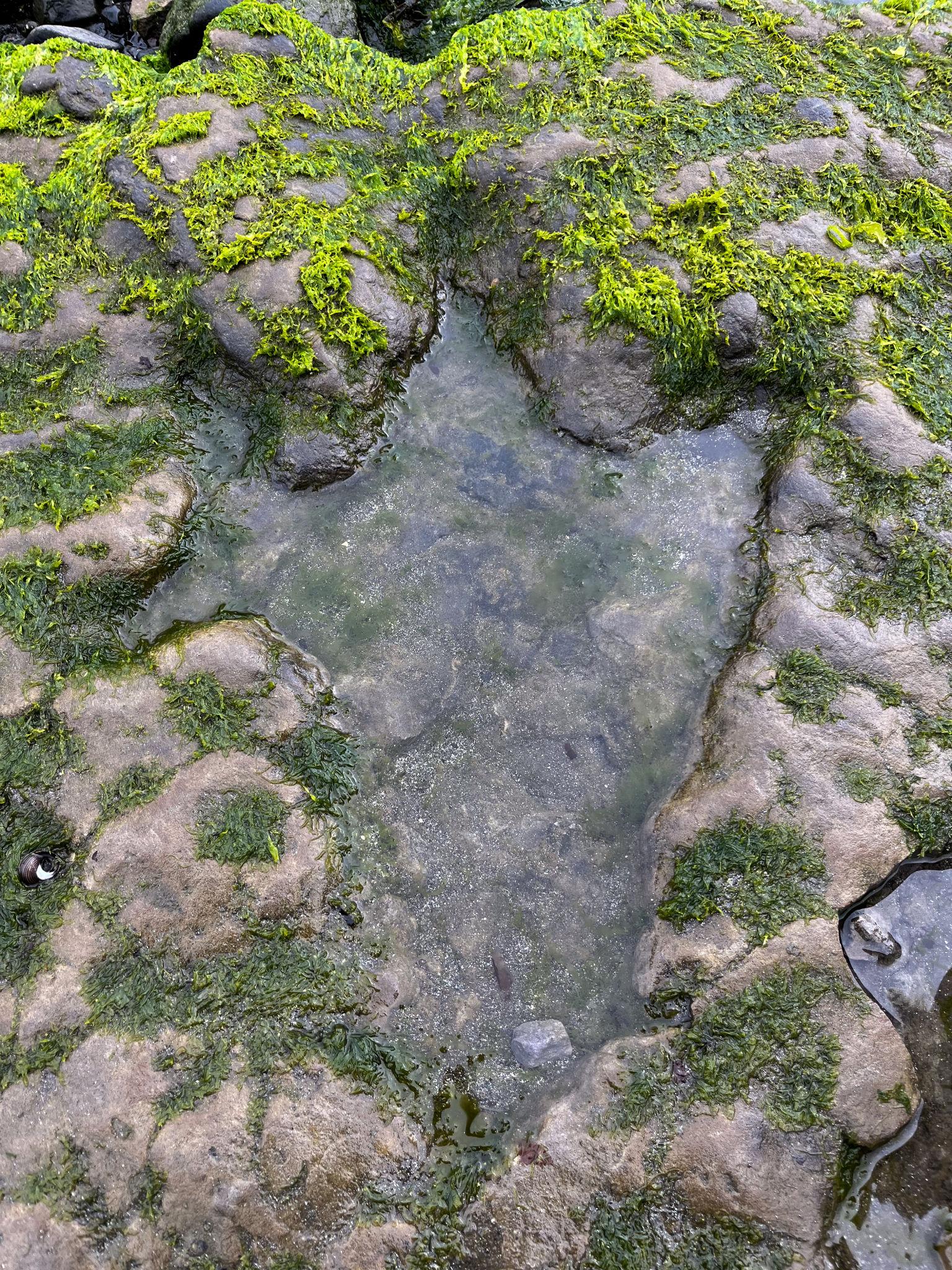
One of Kildonan’s most surprising attractions is the famous “dinosaur” footprint on the shore (visible at low tide). Strictly speaking, it was left by a giant reptile related to early crocodiles, living at the same time as the first dinosaurs — but “dinosaur footprint” is the name most visitors know it by.
The track is commonly identified as Chirotherium, a name meaning “hand-beast”, because the print looks a bit like a giant handprint. It’s a wonderful example of how Kildonan combines geology, deep time and family-friendly discovery in one place.
The footprint can be seen on the rock platform at low tide, so timing matters. It’s well worth checking tide times before you go.
Good to know
Best viewed at low tide
Wear grippy footwear on wet rock
Take care on seaweed-covered surfaces
Ancient Tracks
The “Dinosaur” Footprint at Kildonan
A footprint from around 240 million years ago
One of Kildonan’s most surprising attractions is the famous “dinosaur” footprint on the shore (visible at low tide). Strictly speaking, it was left by a giant reptile related to early crocodiles, living at the same time as the first dinosaurs — but “dinosaur footprint” is the name most visitors know it by.
The track is commonly identified as Chirotherium, a name meaning “hand-beast”, because the print looks a bit like a giant handprint. It’s a wonderful example of how Kildonan combines geology, deep time and family-friendly discovery in one place.
The footprint can be seen on the rock platform at low tide, so timing matters. It’s well worth checking tide times before you go.
Good to know
Best viewed at low tide
Wear grippy footwear on wet rock
Take care on seaweed-covered surfaces